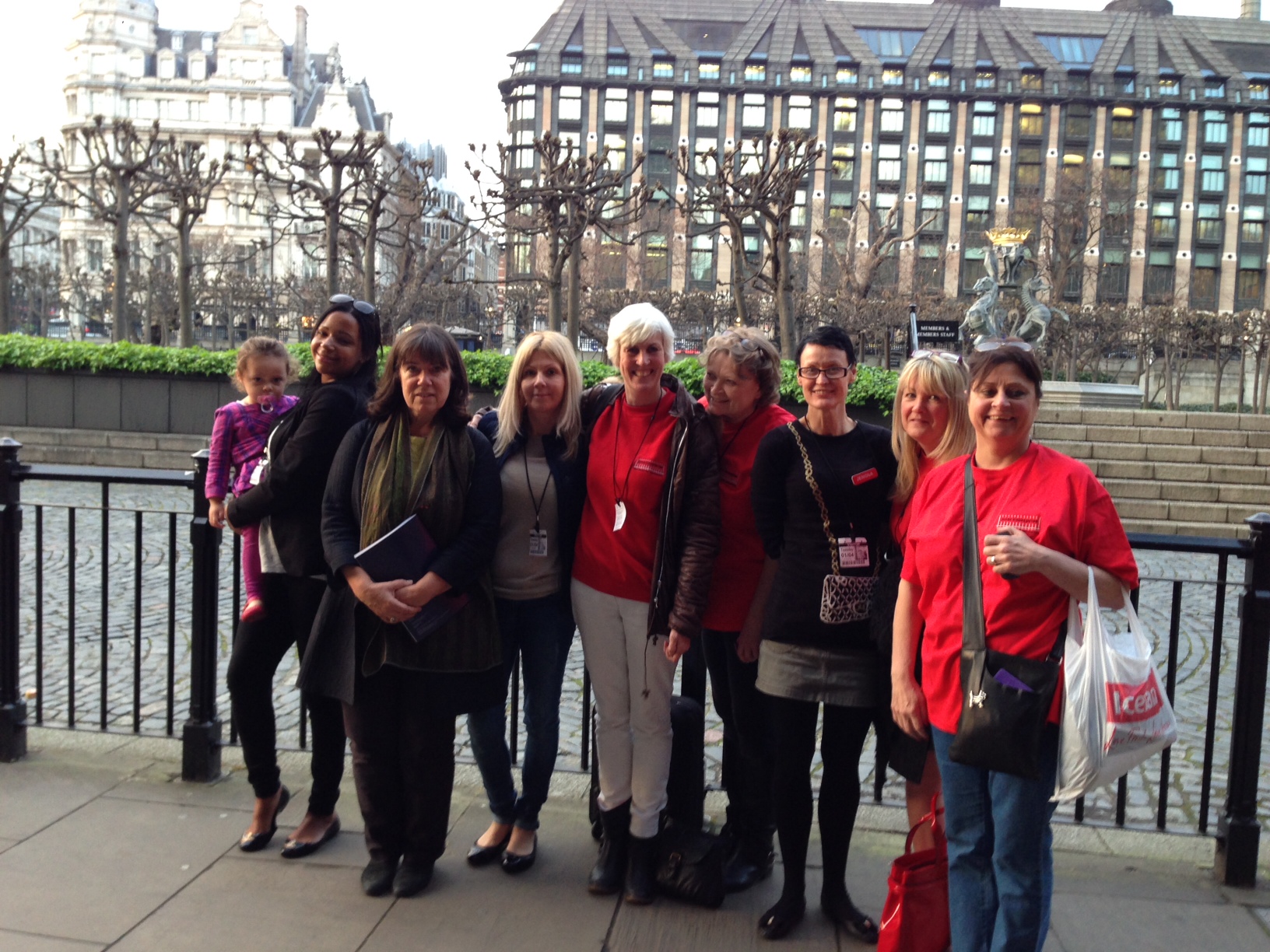
Shooting crew:
Camera - Tashi Skervin
Director/Producer - Anastasia Pastor Kubrak
Reporter - Sam Holder

We campaign on behalf of, and with, those wrongfully convicted. We're campaigning to reform legal abuse by Joint Enterprise.


‘It was the late 1970s. I was a 15-year old Asian boy, who had arrived in the UK with poor English. Before I came to the UK I hadn’t been to school, so I couldn’t read or write in my own language either. Luckily (or not, as it turned out) my cousin took me under his wing. Although I didn’t yet know it, he was to be diagnosed with acute schizophrenia and went into a secure psychiatric unit. But not before he had changed my life forever.
My cousin had had problems with another group of Asian boys. Some like to call it a gang, of course, but that’s a label that is sometimes attached for convenience to make things look different to how they actually are when youths of the same culture hang around together. I had been involved in scuffles because I hung around with my cousin. Unknown to me, my cousin had been arrested for harassing one of their group, and had two knives confiscated. I had never had a knife.
One day, the other Asian group came looking for us. They had threatened us before and they were frightening. One of them punched me, so I hit him with a metal pole to defend myself, then I ran away. I didn’t see what happened next. Witnesses confirm that I had no knife and no contact with the man who died from stab wounds.
I was charged with murder – joint enterprise, with my cousin and someone else. I didn’t know what was happening to me, but help was at hand. My cousin’s brother was acting as interpreter for me. He sat in on my interviews as well as his brother’s, so he knew what we were both saying to the police about the charges we both faced. Oh, and as luck would have it, the kind solicitor acting for the other two accused with me was also going to represent me. In my police interviews I said, “please, I don’t understand”. I wasn’t offered a solicitor or interpreter for my first interview. I had an interpreter for my second interview, my cousin’s brother, but he didn’t really understand English either, so we all relied on someone from the solicitor’s firm to translate for all of us. My cousin’s brother was also there for me as “appropriate adult”.
When the police cautioned me, I didn’t know what this was about and my answer was “I tell the truth”, because I didn’t know what they meant. The police frightened me by rough handling me and calling me racist names. I had to sign all the documents they told me to and they wouldn’t let me see my parents until I had signed them.
I now understand that my defence was that I played a different role to my cousin, in this “joint enterprise”, and I had no foresight that something like this might happen. I had no idea my cousin had a knife, there was no plan to go out looking for trouble, the other gang started trouble and I defended myself with a bar, then ran away. I didn’t know then that my cousin had serious mental health issues.
Why was I charged with, and convicted of, murder rather than something I had actually done? All I did was defend myself using reasonable force, so I still don’t think I committed any crime. I was 15 at the time. Is this how the UK legal system works? Is it really fair?’
Whatever the outcome of his application to the CCRC, it is doubtful that he will ever return to “normality”, damaged as he is by having spent the vast majority of his life in this turmoil.